Can Any Solar System Use a Battery? What Brisbane Homeowners Need to Know

Can Any Solar System Use a Battery? What Brisbane Homeowners Need to Know

If you’re a homeowner in Brisbane or Ipswich, you’ve probably heard about solar batteries and wondered: can any solar system use a battery? The short answer is: not always – but don’t worry, we’ll break it down in plain English so you know what’s possible for your home.

What is a Solar Battery, Anyway?

A solar battery is like a little energy bank for your home. During the day, your solar panels produce electricity. Any extra electricity your home isn’t using goes into the battery. Then, when the sun sets or your usage spikes, your battery releases that stored energy so you can keep the lights on without relying entirely on the grid.

Think of it as giving your home its own mini power station — reducing your bills and giving you a backup when you need it.

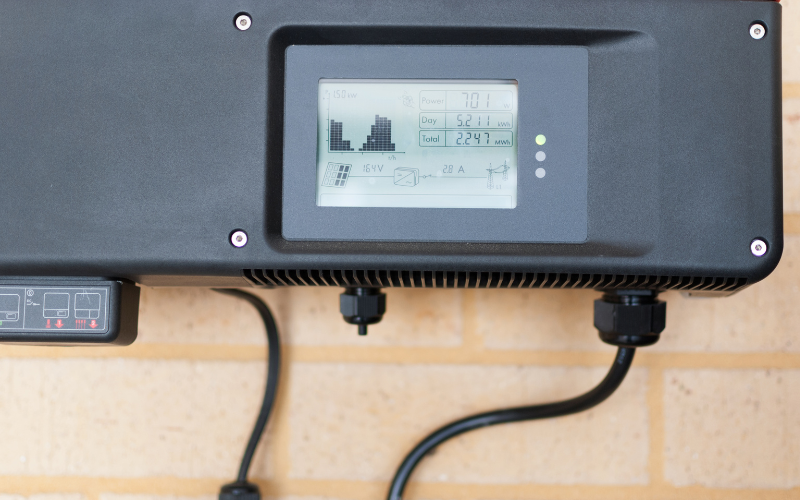
Close up of a Solar Battery inverter

Can Any Solar System Use a Battery?

Here’s the truth: not every solar system is compatible with a battery, especially older setups.

Most modern solar systems have an inverter — the part that converts solar energy from DC (panels) to AC (home use). Batteries need a compatible inverter to “talk” with your system. If your inverter is outdated or your panels were installed a long time ago, you might need an upgrade or a hybrid inverter to make a battery work.

But don’t let that scare you. Many homeowners with older panels can still add a battery — it just requires a quick assessment by a qualified installer.

How Do Batteries Actually Work With Your Solar?

When your system is connected:

  1. Panels produce electricity: Your solar panels generate energy during sunlight hours.
  2. Home uses power first: Any electricity you use immediately powers your appliances.
  3. Battery stores excess: Extra energy goes into the battery instead of feeding back into the grid.
  4. Battery discharges at night: When your panels stop producing, your home draws from the battery.
  5. Grid as backup: If your battery runs low, your home still gets electricity from the grid.

This setup gives homeowners more control over their energy use, often reducing bills and even offering some protection during outages.
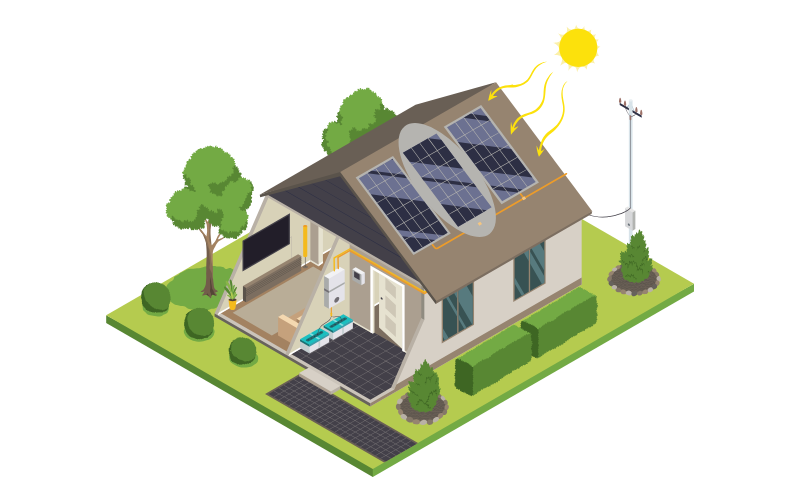
Diagram of how a solar battery works with solar panels

Do I Need a New System to Add a Battery?

Not always. Some systems can integrate a battery without replacing panels. What matters most is whether your inverter can handle it. Upgrading to a hybrid inverter is sometimes necessary, but it’s usually simpler than you think. A good installer will explain the options clearly and make sure your system is set up safely and efficiently.

Why Adding a Battery Could Make Sense for Your Home

For homeowners paying $700–$1,000 per quarter in electricity bills, adding a battery can mean:

  • Lower electricity costs
  • More control over energy usage
  • Backup power during blackouts
  • Peace of mind knowing your system is future-proof

It’s not just about tech — it’s about making your life easier, stress-free, and predictable.

Bottom Line

So, can any solar system use a battery? Not automatically, but for most homes, it’s very achievable. The key is checking your current system’s compatibility and working with a qualified local installer. With the right setup, you can get the benefits of stored solar energy, lower bills, and added control — all without the guesswork.

If you’re curious whether your South Brisbane or Ipswich home can add a battery, it’s worth booking a free assessment with a trusted installer. It’s simpler than you might think, and it could make a big difference to your electricity bills and peace of mind.

Ready to start saving with solar?

Contact Solenergi for a free quote and expert advice on the right solar system for your home. Let’s make the switch to solar energy simple and stress-free.

Contact us for a free quote.

Please send us your inquiry or give us a quick call on

0416 968 765 for any information.

2/100 Kingston Road, Underwood, QLD, Australia, Queensland
© 2023 Solenergi | Designed By Emergez

Calculate Your Solar Savings: A Step-by-Step Guide

Calculate Your Solar Savings: A Step-by-Step Guide

Ready to Cut Your Power Bills?

If you’re considering solar, knowing how much you could save is a great place to start. This guide walks you through the steps to estimate your annual electricity bill savings and choose the right system size for your home.

Brisbane City View

Step 1: Find Your Annual Electricity Usage

Start by reviewing your last 4 electricity bills and add up the total kilowatt-hours (kWh) used—or look for the yearly total listed by your provider. This figure is key to sizing your solar system.

Step 2: Estimate the Right System Size

Based on your usage and the size of your home, here’s a guide to choosing a realistic solar system size:

Household Type System Size Notes
Small Home / Townhouse 4–5kW Only suitable where roof space is limited
Standard 3-Bed Home (2–3 people) 6.6kW (15 × 440W panels) Minimum recommended size
Medium Home (3–5 people) 8–10kW Ideal for families with higher energy needs
Large Home (5+ people) Up to 13.2kW (30 × 440W panels) Max for single-phase power; requires large roof

Note: The bigger the system, the more STC (rebate) credits you’ll receive—so larger systems often offer better value over time.


Step 3: Estimate Your Solar Production

In Brisbane, solar panels generate about 4.2 kWh per kW per day. Multiply that by your system size and then by 365 to get your estimated annual output.

Example for 6.6kW system:

 6.6 × 4.2 × 365 = ~10,100 kWh per year


Step 4: Estimate Your Electricity Bill Savings

Now take your estimated annual solar output and multiply it by your current electricity rate (e.g. $0.28 per kWh).

Example:

 10,100 kWh × $0.28 = ~$2,828 in potential annual bill savings*

*Actual savings may be lower depending on usage habits and feed-in tariff rates, especially if you’re not using the power during the day.


Step 5 (Optional): Consider Adding a Battery

Adding a battery allows you to store your unused solar energy for use at night—further reducing reliance on the grid. From July 1, 2025, the Cheaper Home Batteries Program offers a 30% rebate on home battery installations, making this option more affordable.

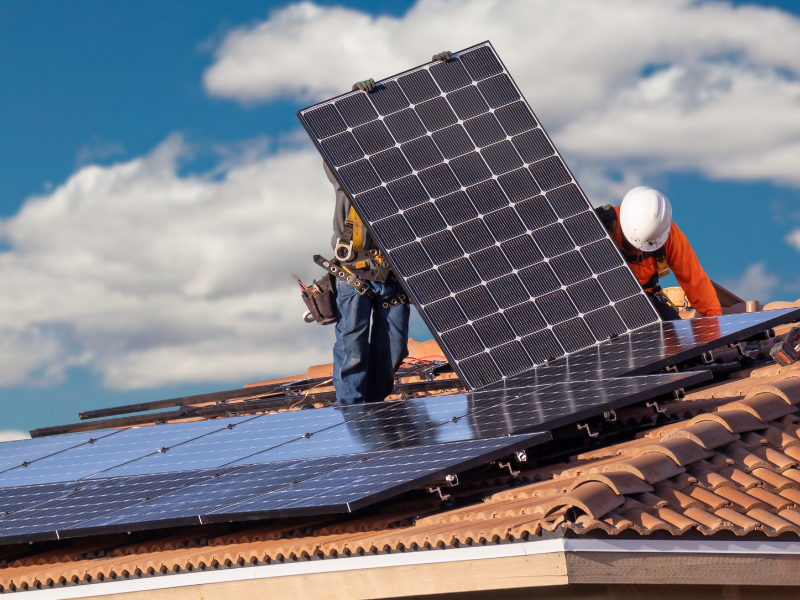
Solar installers installing solar panels on roof

Final Thoughts

Solar isn’t one-size-fits-all. Your savings depend on how much electricity you use, your roof size, and when you use power during the day. But with Brisbane’s sunny climate and generous rebates, the payback period for solar is getting shorter every year.

Ready to start saving with solar?

Contact Solenergi for a free quote and expert advice on the right solar system for your home. Let’s make the switch to solar energy simple and stress-free.

Contact us for a free quote.

Please send us your inquiry or give us a quick call on

0416 968 765 for any information.
2/100 Kingston Road, Underwood, QLD, Australia, Queensland
© 2023 Solenergi | Designed By Emergez

Solar Savings Across Brisbane Suburbs: A Comparative Insight

Solar Savings Across Brisbane Suburbs: A Comparative Insight

The Influence of Location on Solar Savings

Brisbane’s diverse suburbs experience varying levels of solar irradiance, which can influence the efficiency of solar panels.

For instance:

Sunnybank Hills:

  • Average Annual Solar Production: Approximately 14,400 kWh
  • Potential Annual Savings: Up to $2,200

Carindale:

  • Average Annual Solar Production: Around 13,900 kWh
  • Potential Annual Savings: Up to $2,050

 Ipswich:

  • Average Annual Solar Production: Approximately 13,200 kWh
  • Potential Annual Savings: Up to $1,950

We’ve calculated the following suburbs based on a 10 kW system (standard for a medium to large home) in the Brisbane region, using an average baseline of ~15,330 kWh/year

  • Wynnum: 14,700 kWh  
  • Belmont: 14,950 kWh  
  • Ashgrove: 15,100 kWh  
  • Indooroopilly: 15,200 kWh  
  • Kenmore: 15,000 kWh  
  • Taringa: 15,150 kWh  
  • Mount Ommaney: 14,850 kWh  
  • Greenslopes: 14,600 kWh  
  • West End: 15,300 kWh  
  • New Farm: 15,330 kWh  
  • Bowen Hills: 15,250 kWh  
  • East Brisbane: 15,100 kWh  
  • Buranda: 14,900 kWh  
  • Jindalee: 14,700 kWh  
  • Pullenvale: 15,000 kWh  
  • Upper Brookfield: 15,050 kWh  
  • Bellbowrie: 14,800 kWh

These estimates highlight the importance of considering local solar potential when planning a solar installation.

Brisbane City View

Factors Affecting Solar Efficiency

Several elements can impact the performance of your solar system:

  • Roof Orientation and Angle: North-facing roofs with a tilt angle matching the latitude yield optimal results.
  • Shading: Trees or nearby buildings can reduce solar panel efficiency.
  • System Size: Larger systems can generate more electricity, leading to higher savings.

Customisation is Key!

Understanding the specific characteristics of your suburb can help in making informed decisions about solar installations. By tailoring your system to local conditions, you can maximise savings and contribute to a greener Brisbane.

Solar installers installing solar panels on roof

Ready to start saving with solar?

Contact Solenergi for a free quote and expert advice on the right solar system for your home. Let’s make the switch to solar energy simple and stress-free.

Contact us for a free quote.

Please send us your inquiry or give us a quick call on

0416 968 765 for any information.

2/100 Kingston Road, Underwood, QLD, Australia, Queensland
© 2023 Solenergi | Designed By Emergez

How Much Can You Save with a Solar Installation? Real Numbers & Insights

How Much Can You Save with a Solar Installation? Real Numbers & Insights

Understanding Solar Savings in Brisbane

Brisbane’s abundant sunshine makes it an ideal location for harnessing solar energy. By installing solar panels, households can significantly reduce their electricity bills. Let’s delve into the potential savings for different household sizes:

Brisbane City View

Single-Person Household:

  • Average Annual Electricity Bill: Approximately $1,200
  • Estimated Savings with Solar: Up to $800 per year

Family of Four:

  • Average Annual Electricity Bill: Around $2,000
  • Estimated Savings with Solar: Up to $1,400 per year

Large Household (5+ People):

  • Average Annual Electricity Bill: Approximately $2,800
  • Estimated Savings with Solar: Up to $2,000 per year

These figures are estimates and actual savings can vary based on energy consumption patterns and system efficiency.

Maximising Savings with Battery Storage

Adding a battery to your solar system allows you to store excess energy generated during the day for use at night, further reducing reliance on the grid. With the new 30% federal rebate on home batteries effective from July 1, 2025, the cost of battery installation has become more affordable, enhancing the return on investment.

Couple standing in front of new solar panels

Final Thoughts

Investing in a solar system is a smart move for Brisbane residents looking to cut down on electricity costs and contribute to a sustainable future. With government incentives and the city’s sunny climate, the transition to solar energy has never been more appealing.

Ready to start saving with solar?

Contact Solenergi for a free quote and expert advice on the right solar system for your home. Let’s make the switch to solar energy simple and stress-free.

Contact us for a free quote.

Please send us your inquiry or give us a quick call on

0416 968 765 for any information.
2/100 Kingston Road, Underwood, QLD, Australia, Queensland
© 2023 Solenergi | Designed By Emergez

How Solar Energy Transformed This Brisbane Family Home

How Solar Energy Transformed This Brisbane Family Home

Meet the Thompsons: Sarah and James, parents of two young kids, live in Sunnybank Hills in Brisbane’s south. Like many Aussie households, their electricity bills were steadily climbing—averaging around $1,560 a year.

Making the Switch to Solar

In early 2024, the Thompsons decided to take control of their energy costs by installing a 6.6kW solar system through Solenergi. With around 40% of their energy usage during daylight hours, they were able to directly consume a large portion of the power generated from their panels.

After switching to solar, the Thompsons’ annual energy bill plummeted. In fact, thanks to Queensland’s feed-in tariffs and smart daytime usage, they are now in credit most months, with estimated first-year savings of over $1,200.

Portrait Of Young Family Standing Outside New Home with Solar

The Next Step: Battery Storage

To take things even further, the Thompsons have decided to add a 10kWh battery, made more affordable through the federal government’s Cheaper Home Batteries Program—a rebate of 30% off the upfront cost. With the battery storing their excess daytime solar energy for use at night, their reliance on the grid is expected to shrink dramatically.

Once the battery is installed, their total electricity bill is forecast to drop to around $150 per year. That’s a saving of approximately $1,410 annually compared to their pre-solar expenses.

The Results: Real Savings for Real Families

Scenario Annual Electricity Cost Annual Savings
Pre-Solar $1,560 $0
With Solar Only In credit or < $50 ~$1,200+
With Solar + Battery ~$150 ~$1,410


Why It Works

Daytime Usage: 40% of power used during the day, directly from solar
Smart Feed-in Tariff: Extra energy exported = extra credit
Battery Storage: Reduced grid reliance at night
Rebates & Incentives: Helping make clean energy affordable

Over 20 years, systems like this are projected to save homeowners more than $16,000 in power bills, with a 6–7 year payback period even without including environmental benefits.

House lit up at dusk

Environmental Impact

Choosing solar doesn’t just make financial sense—it’s also better for the planet. A typical 6.6kW solar system like the Thompsons’ saves each year:

  • Equivalent to planting 202 trees
  • Avoids burning 3,362 litres of petrol
  • Saves 3,821 kg of coal from being burned

Thinking About Solar for Your Home?

Now’s the perfect time. With strong government support and smarter, more efficient systems, solar has never been more accessible.

Contact Solenergi today for a free quote and expert advice tailored to your home.
Let’s make your power bills a thing of the past.

Contact us for a free quote.

Please send us your inquiry or give us a quick call on

0416 968 765 for any information.

2/100 Kingston Road, Underwood, QLD, Australia, Queensland
© 2023 Solenergi | Designed By Emergez

Solar Battery Storage Explained: How It Works & Why You Should Get One

Solar Battery Storage Explained: How It Works & Why You Should Get One

As electricity prices continue to rise and solar feed-in tariffs decline in Queensland, more homeowners are turning to solar battery storage to maximise their solar power investment and reduce reliance on the grid.

What Is Solar Battery Storage?

A solar battery stores excess electricity generated by your solar panels during the day. Instead of sending this surplus energy back to the grid for a small credit, the battery saves it for use when the sun isn’t shining—like at night or on cloudy days. This means you can power your home with solar energy around the clock, increasing your energy independence and reducing your electricity bills.

Diagram of how solar panels power a house, a battery system and feed energy back to the grid

Why Add a Battery to Your Solar System?

Adding a battery to your solar installation offers several benefits:

  • Lower Electricity Bills: By using stored solar energy during peak times, you can reduce the amount of electricity you need to purchase from the grid.
  • Energy Independence: With a battery, you’re less affected by grid outages and price hikes, giving you more control over your energy usage.

  • Maximised Solar Investment: Storing excess solar power ensures you make the most of your solar panels, especially as feed-in tariffs decrease.

  • Environmental Impact: Using more of your own solar energy reduces your carbon footprint and supports a cleaner energy future.

In Queensland, where feed-in tariffs are decreasing and electricity prices are on the rise, these benefits are particularly significant.

House lit up at dusk

New Federal Rebate Makes Batteries More Affordable

Starting 1 July 2025, the Australian Government’s Cheaper Home Batteries program offers a 30% rebate on eligible solar battery installations. This initiative aims to reduce the average cost of a battery from over $10,000 to around $6,000, making it more accessible for households and small businesses. The rebate applies to batteries installed alongside new or existing solar panels and is available for systems between 5kWh and 100kWh. It’s important to note that the rebate’s value will decrease annually from 2026, so early adoption can maximise your savings.

Is Solar Battery Storage Right for You?

If you already have solar panels or are considering a new solar installation, adding a battery can enhance your system’s efficiency and provide greater energy security. With the new federal rebate and rising energy costs, now is an opportune time to invest in solar battery storage.

Ready to supercharge your solar system?

At Solenergi, we specialise in solar energy solutions tailored to Brisbane homes. Our team can help you assess your energy needs and determine the best solar system and battery setup for your household. Contact us today to learn more about how solar battery storage can benefit you.

Contact us for a free quote.

Please send us your inquiry or give us a quick call on

0416 968 765 for any information.

2/100 Kingston Road, Underwood, QLD, Australia, Queensland
© 2023 Solenergi | Designed By Emergez